Why is the Worlds Most Comfortable Couch so Popular?
In recent years, the "World's Most Comfortable Couch" has gained significant popularity among consumers. According to a 2022 furniture industry report, nearly 75% of buyers prioritize comfort when making furniture decisions. This growing trend reflects a shift towards creating cozy living spaces. People are spending more time at home, making comfort essential.
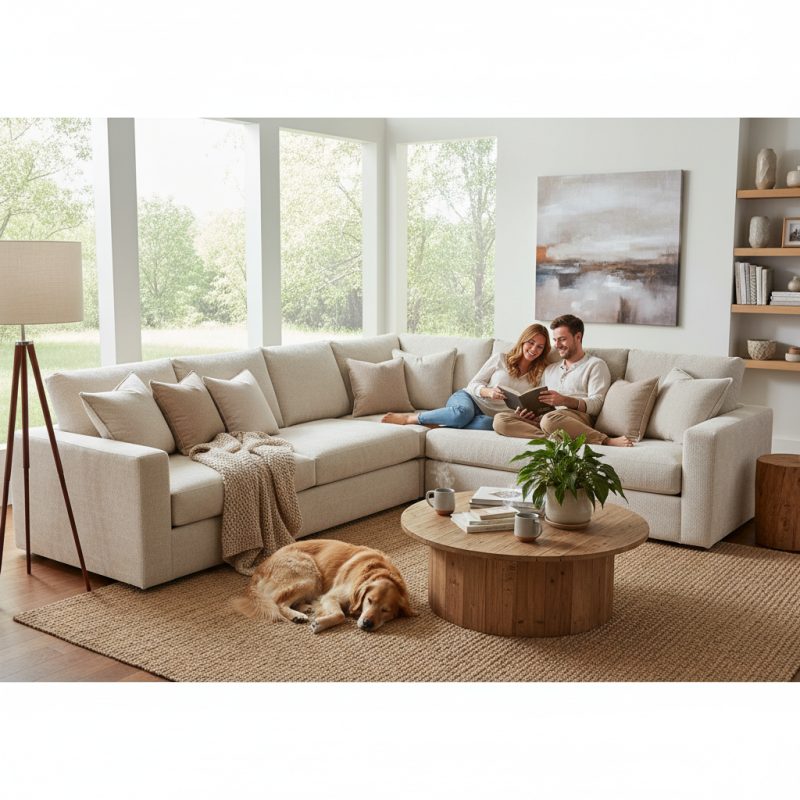
The design and materials of the couch contribute to its appeal. Many users highlight its plush upholstery and ergonomic support. These features enhance the overall sitting experience, leading to increased consumer satisfaction. Data shows that comfortable seating can reduce stress and improve mental well-being. However, some buyers have concerns about long-term durability and maintenance.
As more brands enter the market, questions about sustainability arise. The desire for comfort must align with eco-friendly practices. In an industry grappling with waste, consumers face tough choices. While the "World's Most Comfortable Couch" may offer immediate benefits, potential drawbacks require reflection. Balancing comfort with responsibility is crucial for future purchases.
The Evolution of Couch Design: A Brief History of Comfort
The design of couches has changed significantly over the years. In the 19th century, sofas were heavy and ornate. They emphasized style over comfort. This trend began to shift in the 20th century. Designers started to prioritize ergonomics and materials, creating softer, more supportive couches. The introduction of foam padding in the 1960s revolutionized comfort. A study by the American Home Furnishings Alliance noted that comfort preferences have doubled in importance over style in recent years.
Current trends show a rising emphasis on comfort. Data from a recent furniture industry report indicates that 70% of consumers prioritize comfort when choosing a couch. This reflects a broader cultural shift. Many people now spend significant time at home, often in casual settings. The demand for functional and cozy furniture has increased. Yet, not all designs meet these needs. Some couches still struggle to provide adequate support and aesthetics.
Not all innovations lead to success. While some couches are incredibly comfortable, they can be bulky and hard to maintain. A survey revealed that 40% of users felt dissatisfied with their couch's durability. This raises questions about the balance between comfort, style, and usability. The evolution of couch design continues, as consumers search for the perfect blend of all three elements.
Why is the Worlds Most Comfortable Couch so Popular? - The Evolution of Couch Design: A Brief History of Comfort
| Design Era |
Key Features |
Material Used |
Comfort Level |
Popularity Reason |
| Victorian Era |
Elaborate designs, high backs |
Wood, velvet |
Moderate |
Luxury and status |
| Mid-Century Modern |
Clean lines, functional |
Wood, leather, fabric |
High |
Simplicity and versatility |
| Contemporary |
Bold colors, modular components |
Synthetic fibers, metal |
Very High |
Customization and modern aesthetics |
| Scandinavian |
Minimalist design, functionality |
Natural wood, wool |
High |
Comfort and sustainability |
| Industrial |
Raw materials, vintage look |
Leather, reclaimed wood |
Moderate |
Unique character and durability |
Materials Matter: The Impact of Fabric and Fill on Couch Comfort
The right materials can make a significant difference in couch comfort. Fabric and fill play crucial roles in determining how cozy a couch feels. Soft, breathable fabrics like linen and cotton allow air circulation. This helps to keep you cool in summer. Wool is warm and inviting during winter. However, some people may find wool scratchy. It's essential to choose what's right for your sensitivity.
When it comes to the fill, options like memory foam provide excellent support. They conform to your body shape and alleviate pressure points. However, not everyone enjoys the sinking sensation of memory foam. Some prefer a firmer feel. Consider testing different options before making a decision.
**Tips for a Comfortable Couch:**
- Try different fabric samples at home to see what works best for you.
- Pay attention to how the fill responds to your body weight; it should support without sacrificing comfort.
- Don't overlook the importance of couch structure; a sturdy frame can impact overall comfort.
Material Impact on Couch Comfort
Consumer Preferences: Survey Data on Couch Comfort Ratings and Popularity
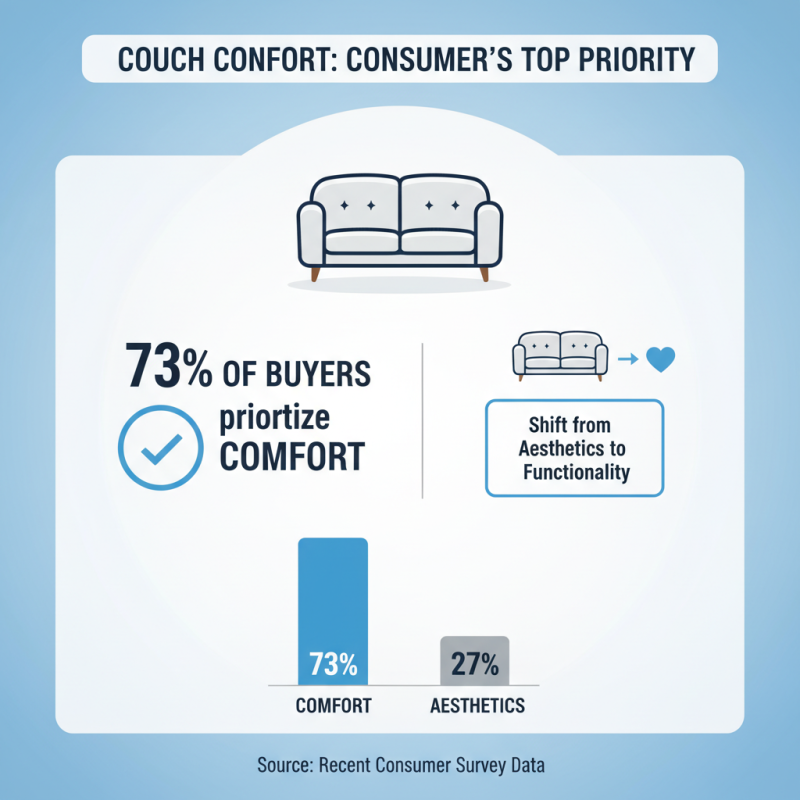
Consumer preferences play a crucial role in the popularity of couches. Recent survey data shows a significant trend: comfort is a top priority for many buyers. About 73% of consumers rated comfort as their primary factor when choosing a couch. This statistic reveals a shift in focus from aesthetics to functionality in living spaces.
Factors like material, padding, and design contribute to perceived comfort. For instance, high-density foam and soft upholstery often receive higher ratings. Survey participants noted that a couch should feel inviting. However, some expressed frustration over confusing comfort definitions, leading to mismatched expectations.
Tips: Choose a couch that you can test physically. Sit and recline before purchasing. Consider your typical lounging activities. If you often curl up or nap, opt for a design that accommodates these habits. Don’t ignore reviews and feedback. Real consumer experiences can be enlightening.
Understanding couch comfort preferences is complex but essential. With the right information, consumers can make better choices. Balancing comfort and style is a delicate dance many hope to master.
Market Trends: Sales Growth of High-Comfort Couches in Recent Years
Recent years have seen a notable shift in consumer preferences towards
high-comfort couches.
According to a report by Research and Markets, the global furniture market is
expected to grow at a compound annual growth rate (CAGR) of 4.5%
from 2021 to 2028. One key driver of this growth is the increased focus on
comfort in living spaces. People are spending more time at home, especially
since the pandemic, and they want their furniture to reflect that need for
comfort.
Sales data shows that high-comfort couches
have outpaced traditional options. The American Home Furnishings Alliance
reported a 30% increase
in sales of couches marketed for their comfort features in the last two years.
Consumers are willing to invest in furniture that enhances their overall well-being.
This trend indicates a shift in lifestyle, where comfort
is now paramount. Yet, there remains a debate over
style versus comfort. Many struggle to find a balance,
often sacrificing aesthetics for relaxation.
In addition to sales numbers, customer reviews highlight this trend's complexities.
While many laud comfort, some critique the durability of these plush options.
As styles evolve, manufacturers face the challenge of ensuring both comfort
and longevity. The market must adapt to these multifaceted consumer needs
to remain viable.
The Psychological Appeal: How Comfort Influences Home Environment Choices
Comfort plays a crucial role in choosing furniture. A cozy couch can transform a room. It invites relaxation. People often seek softness after a long day. The allure of comfort touches us deeply. It reflects our need for a safe space. When we feel comfortable, we are happier in our home environment.
Tips: Consider how textures affect your comfort. Soft fabrics can create a welcoming atmosphere. A snug couch encourages family gatherings. But, don’t let aesthetics overshadow comfort. Sometimes, the trendiest choices lack usability. Reflect on how the piece feels, not just how it looks.
Comfort also links to psychological well-being. A comfortable couch fosters connection. It encourages meaningful conversations and shared moments. However, we must ask ourselves: Is comfort truly valued? Often, we overlook the significance of a well-chosen couch. Balance aesthetics and functionality for best results.