Top Corner Couches for House and Home What to Consider?
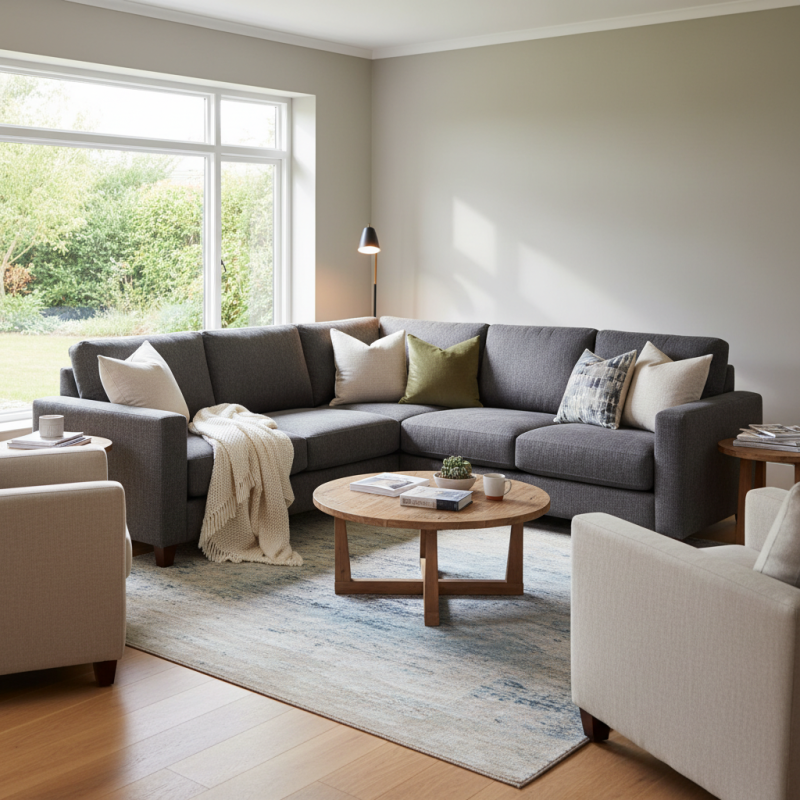
Choosing the right House And Home Corner Couches can transform your living space. These couches offer style, comfort, and functionality. They fit snugly into corners, maximizing room usage. You can create a cozy nook or a stylish gathering space.
When selecting corner couches, consider your home's layout and design. Think about the fabric and color. Some materials resist stains while others offer a luxurious feel. Take time to visualize how the couch complements your decor. It’s not just about aesthetics; comfort is key.
Try to sit on the couches before buying. Everyone has different preferences. Some prefer firm seats, while others enjoy plush cushions. Finding the perfect balance is crucial. Be mindful of your specific needs. Reflect on how often you entertain guests or simply relax. In the end, the right corner couch should reflect both style and comfort.
Choosing the Right Size for Your Corner Couch
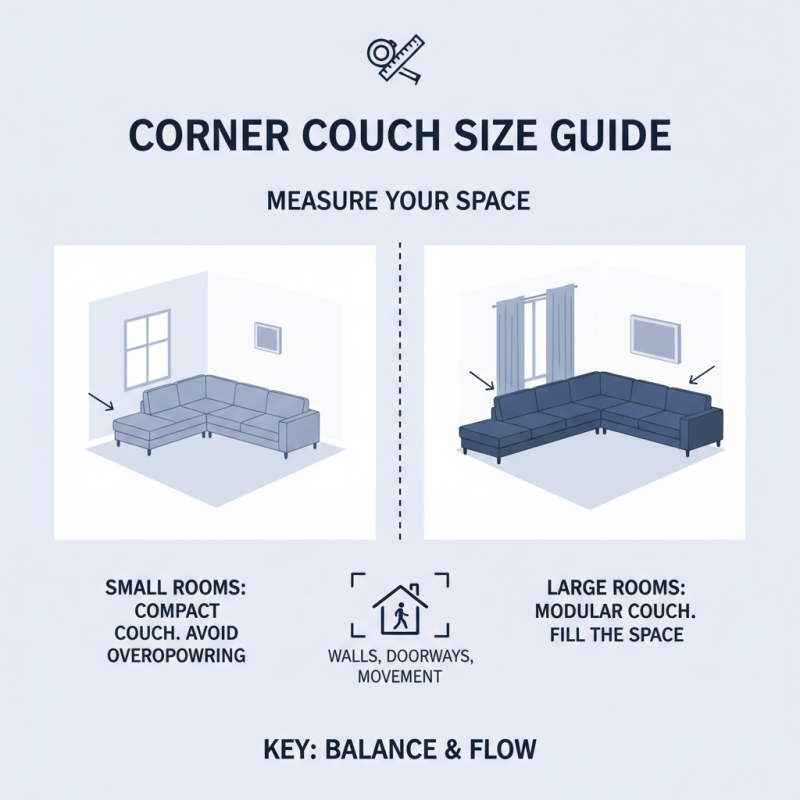
Choosing the right size for your corner couch is crucial. It can transform your living space. Start by measuring your room. Consider wall lengths, doorways, and space for movement. A couch that overpowers a small room can feel claustrophobic. A too-small couch may get lost in a spacious area.
Think about the seating capacity you need. For families, a larger couch might be better. For couples or singles, a compact option works well. Remember to leave space for other furniture. Tables or chairs nearby can enhance functionality. A corner couch should enhance, not hinder, your layout.
Consider how you plan to use the space. Will you entertain often? Choose a larger, more inviting design. If it’s more for relaxation, a cozy, smaller couch may suffice. Balance is key. A well-sized couch can create harmony in your home. It’s worth taking time to reflect on your choices here.
Materials and Fabrics: What Suits Your Style?
Choosing the right materials and fabrics for your corner couch can significantly impact both style and comfort. Opt for natural fibers like cotton or linen. These materials are breathable and offer a casual look. They work well in family homes due to their durability. However, they can stain more easily than synthetic fabrics, making regular maintenance essential.
Synthetic fabrics, such as polyester or microfibers, provide a modern touch. They resist stains and wear, ideal for households with pets or young children. While they may lack the elegance of natural fabrics, they come in various colors and patterns. This variety can help achieve your desired aesthetic without compromising on practicality. Reflect on your lifestyle needs when making a choice.
Consider texture as well. Velvet or boucle adds depth, creating a cozy atmosphere. However, they can require more care. Be mindful of how each fabric feels against your skin. Comfort should never be overlooked, even if perfection is tricky to achieve. A well-chosen fabric can elevate your home, but it's vital to weigh the benefits against personal and family needs.
Design Styles: Matching Your Corner Couch to Your Home Decor
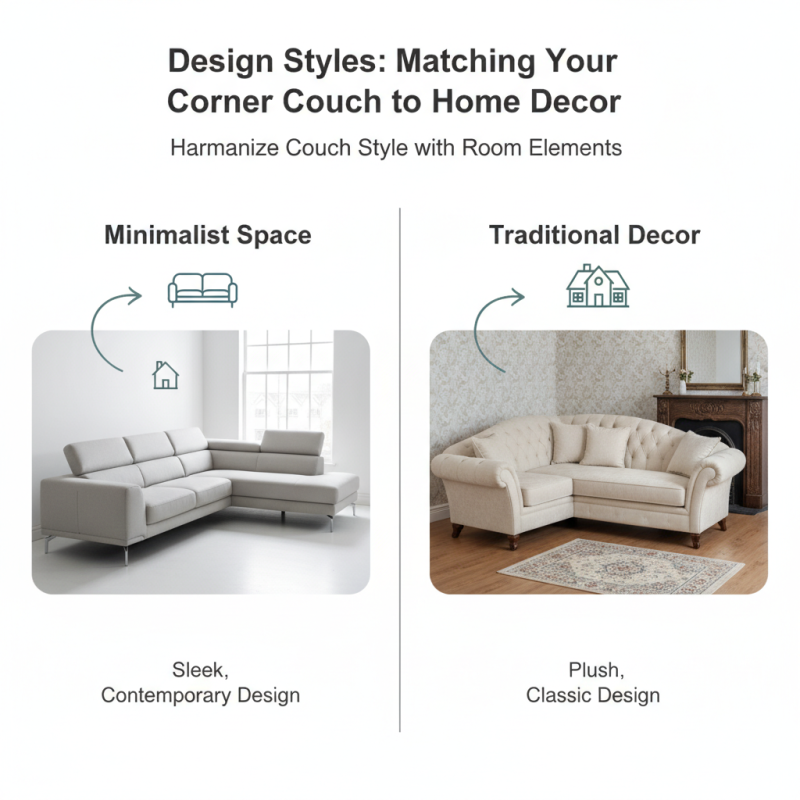
When selecting a corner couch, consider your home decor carefully. The design style of your couch should harmonize with the existing elements in your room. If you have a minimalist space, opt for a sleek, contemporary design. This can enhance the open feel of the room. On the other hand, if your decor is more traditional, a plush, classic couch will add warmth and richness.
Colors matter too. Neutral tones create versatility and blend easily. They provide a perfect backdrop for vibrant cushions. Bold colors can be striking, but they also risk clashing with other decor. Patterns can add visual interest, yet they may overwhelm small spaces. Reflect on the balance between your couch and your walls, rugs, and accessories.
Lighting also plays a vital role in design. A couch positioned near natural light sources can appear brighter. Consider the atmosphere you want to create. Soft hues promote relaxation, while dark tones can evoke drama. Every choice reflects your style. Remember, it’s okay to experiment. Sometimes, the unexpected combinations lead to the best results. Think and then rethink your choices for that perfect corner.
Comfort and Support: Testing Cushions and Backrests
When choosing a corner couch, comfort is key. Examine the cushions closely. Are they firm or soft? A good balance between support and plushness is essential. For instance, overly soft cushions may lead to back pain. Conversely, too firm cushions can feel uninviting. Opt for a medium-firm option that supports different body types.
Backrests deserve attention as well. They should provide adequate support while allowing relaxation. The height is crucial. A low backrest might not support your neck; a high one can feel restrictive. It's important to sit on the couch and test it. Move around and see if the backrest holds up. Does it feel sturdy, or does it sag?
Consider the material as well. Fabrics can influence comfort. Leather may feel luxurious but can become sticky in warm weather. Fabric couches might be cozy but could wear out faster. Ultimately, your personal preferences guide the decision. Pay attention to how each piece interacts with your body. This experience is subjective, and that’s perfectly okay. Finding the right corner couch means listening to your needs.
Budget Considerations: Finding Quality Within Your Price Range
When selecting corner couches for your home, budget plays a crucial role. Various factors impact pricing, including material, size, and features. In 2022, a survey from the American Home Furnishings Alliance stated that 68% of consumers prioritize quality over price. However, quality can often be affordable.
Materials matter significantly. For instance, leather sofas may seem pricier, yet they tend to last longer than fabric options. A report from Statista indicates that the average lifespan of a high-quality sofa is around 15 years. Investing in a durable piece can yield greater savings over time. However, it’s essential to balance quality with cost.
Many consumers often overlook warranties, which are vital in ensuring longevity. A reputable retailer typically offers a warranty, indicating confidence in their product. According to market research, 42% of buyers regret not considering warranty terms before purchase. This oversight can lead to frustration and additional costs down the road. Taking time to weigh options is necessary, ensuring your investment also aligns with personal needs.
Top Corner Couches Price Comparison